This post contains affiliate links. Please read our disclosure policy.
Want to make your own fermented sodas or tonics for your family’s gut health? This simple ginger bug recipe is the perfect place to start! The ginger bug is a bubbly, probiotic-rich starter made with just fresh ginger, sugar, and water. Once active, you can use it to naturally carbonate drinks like ginger beer, fruit sodas, or even kombucha-style tonics.

Table of Contents
I’ve learned that fermenting is a hobby nobody mentions when asked, “What do you like to do?”
Most of us answer, “I like to read/hike/sew/draw/fish,” but never, “I like to grow my own bacteria cultures in my kitchen.” If some of us were honest, that would be our response.
For me, it all started with the kombucha scoby. Then, when I had entirely too many scobies and not enough time to deal with them, I switched to kefir and sourdough starter. My kefir grains spoiled a couple of years ago, but my sourdough starter is stronger than ever.
So, naturally, it’s time for a ginger bug.
If you’re new to the ginger bug, welcome! This is a new endeavor for me, too, but I think we’re about to have a lot of fun and hopefully acquire a lot of gut-healing benefits along the way. That’s the main reason I made this ginger bug recipe. When you have a child with gut issues (stupid eczema), you’ll do anything to help them, including growing a gut-healing bacterial culture out of ginger and sugar.
Intrigued? Let’s learn together.
What Is a Ginger Bug?
A ginger bug is a natural fermentation starter made from fresh ginger, sugar, and water. It captures wild yeasts and beneficial bacteria found on the ginger’s skin and in the air — creating a bubbly, probiotic-rich liquid that can be used to naturally carbonate drinks like ginger beer, fruit sodas, and tonics. Because the ginger bug thrives on bacteria found in its environment, each person’s ginger bug is unique and more beneficial for your health than one you’d buy in the store or online.
The ginger bug is the foundation for homemade sodas — much like a sourdough starter, but for bubbly drinks instead of bread- meaning it’s an ingredient, not the recipe itself. When you add a few spoonfuls of an active ginger bug to sweetened juice or tea, those live cultures feed on the sugars and create gentle, natural carbonation and gut-healing properties.
The result? A refreshing, lightly fizzy drink that’s gut-friendly, naturally fermented, and free of artificial additives.
Ingredients You’ll Need for this Ginger Bug Recipe
One of my favorite things about this ginger bug recipe is how inexpensive it is to make! You only need three simple ingredients (plus a jar) to start your own ginger bug.
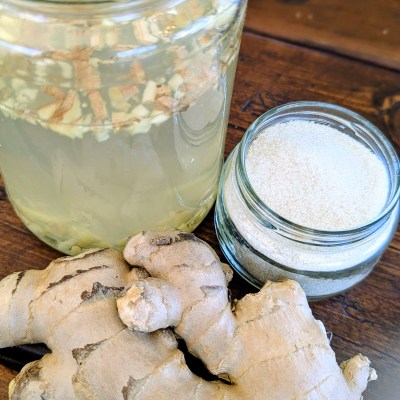
- Fresh ginger: Unpeeled ginger root is best — the skin contains wild yeasts that help kickstart fermentation. Chop it finely to expose more surface area.
- Sugar: White sugar or organic cane sugar all work. Don’t skimp on the sugar. That’s what feeds the beneficial bacteria and yeast.
- Filtered or dechlorinated water: Avoid tap water that contains chlorine, as it can inhibit fermentation.
- Glass jar: Use a clean 16–32 oz glass jar. Avoid metal containers since acidity can react with metal over time.
- Cheesecloth, paper towel, or coffee filter for covering: Allows airflow for the ginger bug to pull bacteria from the air while keeping dust and bugs out.
how to Make a Ginger Bug (Step-by-Step)
Before you start: use a clean glass jar, filtered/dechlorinated water, and a wooden spoon (avoid reactive metal). Keep the jar in a warm, draft-free spot (about 70–80°F).
Step 1: Chop the ginger. Start by chopping about 5 tablespoons of fresh ginger into small pieces. Leave the skin on — the skin contains wild yeasts that help kickstart fermentation.

- Day 1 — Start the bug
In a clean jar combine:- 2 cups filtered water
- 2 tablespoons chopped ginger
- 2 tablespoons sugar
Stir until the sugar dissolves. Cover the jar with a breathable cloth or coffee filter and secure with a rubber band. Place the jar in your warm spot out of direct sunlight.


2. Days 2–7 — Feed daily
At roughly the same time each day, add:
- 2 teaspoons chopped ginger
- 2 teaspoons sugar
- 2 teaspoons water
Stir vigorously each time (mixing in oxygen helps the wild yeasts grow). Re-cover the jar and return to the warm spot.
3. Watch for activity
Over the next few days, you should see: bubbles rising to the surface, small fizzing when you stir, and a sweet/yeasty aroma. Activity commonly appears by Day 2–3, and the bug is usually reliably active by Day 5–7.
4. When it’s ready to use
Your ginger bug is ready when it’s bubbly and slightly fizzy and smells bright and tangy. At that point, it’s an active starter you can use to ferment sodas or tonics (a common rule of thumb: about ¼ cup of active bug per quart of sweetened liquid to ferment — bring the bug to room temperature and feed it before use).
5. Storing & maintaining the bug
Once active, store the jar in the fridge. Feed it once a week with one teaspoon of sugar, one teaspoon of chopped ginger, and a splash of water to keep it lively. Before using it, bring it back to room temperature and feed it 12–24 hours in advance to ensure it’s bubbly.
6. Troubleshooting & safety:
- Sluggish bug: move it to a warmer spot (75–80°F) and feed a little extra sugar. You can also place the bug on a heating pad set to low (my favorite method).
- Mold or off smells (musty/putrid): If your bug smells spoiled or rancid, discard the jar and start over. Mold is uncommon, but if you see fuzzy discoloration on the surface, throw it out.
- Too fizzy/overflowing: reduce feeding amounts or keep it in a larger jar.
- Use wooden/plastic utensils to avoid metal that can react over time.
- Always use filtered or dechlorinated water — chlorine can inhibit fermentation.
How to Use a Ginger Bug
Once your ginger bug is bubbly and active, it becomes a fermentation starter (woohoo!)— similar to how a sourdough starter works for bread. The ginger bug itself isn’t a finished drink, but an ingredient you’ll use to ferment and carbonate other liquids.
To Make Naturally Fermented Sodas:
Use your ginger bug to bring any sweetened liquid to life! Combine:
- About ¼ cup active ginger bug (strained liquid, not the chopped ginger)
- 1 quart (4 cups) sweetened tea, juice, or flavored water
Stir well, pour into airtight bottles, and let sit at room temperature for 2–3 days until lightly carbonated. Then refrigerate to slow fermentation and enjoy your naturally fizzy, probiotic soda!
Some favorites to try:
- Homemade ginger beer (sweetened ginger tea or syrup)
- Fruit sodas using sweetened fruit juice (like apple, pineapple, or cranberry)
- Herbal tonics made with hibiscus, lemon, or mint
The key: the ginger bug provides the live cultures, and the sugar in your soda base provides the food that keeps those cultures bubbling and alive.
How To Make Ginger Shots or Tonics
If you’re using this ginger bug recipe for ginger shots, it can be the only ingredient. Simply strain off a tablespoon or two of the liquid and take it as-is — or mix it with lemon juice or honey for a powerful probiotic boost.
The result is a tangy, slightly spicy shot that’s naturally fermented and full of beneficial bacteria!
How to Store your Ginger Bug Recipe
After using your bug:
- Always save at least a few tablespoons of starter in the jar.
- Feed it again with ginger, sugar, and a splash of water to rebuild activity. Allow it to sit at room temperature for a couple of hours before refrigerating to give the ginger and sugar time to ferment.
- Keep it refrigerated between uses, and refresh it a day before your next soda-making session.
With regular feeding, your ginger bug can last indefinitely — just like a sourdough starter!
Tips for Success + Troubleshooting
Making this ginger bug recipe is simple once you understand how it behaves. Fermentation is alive — so every kitchen, climate, and batch can look a little different, which is a good thing as all of our needs are different! These tips will help you keep your ginger bug healthy and bubbling:
1. Keep It Warm and Consistent
Wild fermentation thrives best around 70–80°F (21–27°C). Too cold and it slows down; too hot and it can stress the microbes.
- Keep your jar in a warm, draft-free spot, like near the stove or on top of the fridge.
- Avoid direct sunlight, which can overheat or dry it out.
- If you don’t have a warm spot in your house, place it on a heating pad set to low, covered with a towel.
2. Use the Right Water
It’s surprising how quickly the wrong water can squash a ginger bug recipe, so always use filtered or dechlorinated water. Chlorine and chloramine (found in most tap water) can kill the natural yeast and bacteria you’re trying to grow.
If you don’t have a filter:
- Let tap water sit uncovered overnight before using, or
- Boil it for 10 minutes and let it cool to room temperature completely.
3. Feed It Regularly
Consistency is key with this ginger bug recipe! Feed it once a day until bubbly and active.
- Missed a day? Don’t panic— just give it an extra feeding and a good stir.
- Keep the ratio small (about two teaspoons each of ginger, sugar, and water) so you don’t overwhelm it. This is only while you start the ginger bug recipe. Once it’s established, you only need to feed it once a week!
4. Know What a “Healthy” Ginger Bug Looks Like
A healthy ginger bug should:
- Smell sweet, gingery, and lightly tangy
- Have bubbles rising to the top or fizz when stirred
- Show some sediment at the bottom from the ginger
These are all good signs that fermentation is active and healthy.
5. Signs Something’s Wrong
If you notice any of these things in your ginger bug recipe, it’s best to discard and start fresh:
- Fuzzy mold (white, blue, green, or black growth)
- Unpleasant or rotten smell (like old socks, vinegar, or cheese. Yuck.)
- Slimy texture or separation that doesn’t stir back together
Fermentation should always look and smell pleasant — think “yeasty ginger ale,” not “spoiled food.”
6. To Revive a Sluggish Bug
If your ginger bug slows down or seems flat:
- Move it somewhere slightly warmer.
- Feed it double the usual amount (1 tablespoon ginger + 1 tablespoon sugar).
- Stir several times a day to add oxygen.
You’ll often see new bubbles within 24 hours! This is the great thing about the ginger bug recipe- it’s very beginner friendly.
7. Keep It Going Long-Term
Once your ginger bug is active, you can keep it alive indefinitely.
- Store in the refrigerator when not in use.
- Feed it weekly with 1 teaspoon of sugar, 1 teaspoon of chopped ginger, and a splash of water.
- Before using it again, bring it to room temperature and feed it 12–24 hours ahead so it’s fully active.
FAQ: Ginger Bug Recipe
What is a ginger bug used for?
A ginger bug is a natural fermentation starter used to make homemade sodas, ginger beer, and probiotic tonics. It works like a sourdough starter — providing live cultures that ferment sugars into carbonation.
Are ginger bug sodas good for you?
Yes! Ginger bug sodas are naturally fermented, so they contain beneficial probiotics that can support gut health and digestion. They’re also lower in sugar than store-bought sodas and made with clean, simple ingredients.
Can a ginger bug make alcohol?
A ginger bug produces trace amounts of alcohol (usually less than 1%) during fermentation, similar to kombucha. It’s technically a non-alcoholic fermentation, but if you ferment your soda for too long, the alcohol level can increase slightly.
Can ginger bugs go bad?
Yes, but it’s rare with regular care. A healthy ginger bug smells fresh, yeasty, and slightly sweet. If it smells rotten, cheesy, or grows mold (fuzzy spots or discoloration), it’s gone bad and should be discarded.
Can you drink the ginger bug by itself?
Yes, but in small amounts! The liquid from an active ginger bug can be taken as a ginger shot — it’s tangy, lightly spicy, and full of probiotics. Most people, however, use it as an ingredient to ferment other drinks.
How long does it take for a ginger bug to start bubbling?
Usually 2 to 3 days, depending on the temperature and your ginger. Warmer environments speed things up, while cooler rooms might take 4–5 days.
How do I know if my ginger bug is ready?
It’s ready when you see bubbles forming, it fizzes when stirred, and it has a pleasant, sweet-tangy aroma. A thin layer of bubbles on top is a good sign of healthy fermentation.
Can I use brown sugar or honey instead of white sugar?
Yes, but with caution. Brown sugar can be used occasionally, but it’s richer in minerals and can slow fermentation. Honey has natural antibacterial properties and may inhibit the growth of bacteria (bacteria is a good thing here!). White or cane sugar works best for consistent results.
How long does a ginger bug last?
To infinity and beyond! With regular feeding, a ginger bug can live for months — even years. Just keep it fed weekly and refrigerated between uses.
Can I revive a ginger bug that’s been neglected?
Yes! If it’s been sitting unused, bring it to room temperature and feed it one tablespoon of sugar, one tablespoon of chopped ginger, and a splash of water daily for a few days. As long as there’s no mold or off smell, it will usually bounce back.
Ginger Bug Recipe
Ingredients
- 2 cups filtered water
- 5 tbs chopped fresh ginger (skin on )
- 2 tbs cane sugar
- extra water, sugar and ginger for daily feedings (about 5 tablespoons)
Instructions
- Chop the ginger: Start by chopping about 5 tablespoons of fresh ginger into small pieces. Leave the skin on — it’s full of natural wild yeasts and beneficial bacteria that help kickstart fermentation.
- Start the bug: In a clean glass jar, combine 2 cups of water, 2 tablespoons chopped ginger, and 2 tablespoons sugar. Stir until the sugar dissolves completely.
- Cover and rest: Cover the jar with a breathable cloth or coffee filter, secured with a rubber band. Place it in a warm, draft-free spot (around 70–80°F) out of direct sunlight.
- Feed daily (Days 2–7): Each day, add 2 teaspoons chopped ginger, 2 teaspoons sugar, and 2 teaspoons water to the jar. Stir well to mix in oxygen — this helps the natural yeasts and bacteria thrive.
- Check for activity: After a few days, you should notice bubbles forming, a sweet and tangy aroma, and a light fizz when stirred. That means your ginger bug is active!
- Ready to use: Once bubbly and fragrant (usually by Day 5–7), your ginger bug is ready to use in homemade sodas, ginger beer, or fruit tonics.
- To store: Keep your ginger bug in the fridge and feed it weekly with 1 teaspoon of sugar, 1 teaspoon of chopped ginger, and a splash of water to keep it alive and active.
Notes
- Always use filtered or dechlorinated water, as chlorine can inhibit fermentation.
- If your bug seems sluggish, move it to a slightly warmer spot and give it an extra spoon of sugar.
- A healthy ginger bug should smell sweet, gingery, and lightly tangy — not sour, musty, or moldy.
You’re going to Love the Ginger Bug Recipe
If this is your first time diving into ferments, I think you’re going to have a blast! The ginger bug recipe is beginner-friendly, budget-friendly, and makes delicious sodas and tonics that are actually good for your body. The sky is the limit with the different flavor combinations you can make with a ginger bug, so you can tailor them to your family’s preferences. Happy fermenting!

I love how indepth this is, thank you!