This post contains affiliate links. Please read our disclosure policy.
If you’ve been searching for a natural remedy to support healthy, strong hair, nettle oil is a powerful herb to add to your routine. Long valued in herbal medicine, nettle oil for hair is packed with vitamins and minerals that nourish the scalp, strengthen follicles, and encourage growth. In this tutorial, I’ll show you exactly how to make nettle oil at home so you can enjoy its benefits in your own DIY hair care.
If you like this post, be sure to check out our guide for How to Make Calendula Oil!

Table of Contents
If you spend any amount of time in the “crunchy” corner of the internet, you’ve likely heard of stinging nettle. Herbalists and tea-enthusiasts love it for being one of the most mineral-rich teas on earth. It’s a great beginner herb for anyone wanting to get into holistic remedies because it has a mild flavor and can be used for just about anything, from pregnancy and postpartum teas to seasonal allergy remedies and combating hair loss.
The latter is what led me to make my own nettle oil.
Postpartum hair loss has hit me HARD the second time around. I’ve had just about enough of watching my hair run down the shower drain. So, I decided to skip the pricey hair growth serums with questionable ingredients and make my own nettle oil.
If you’re interested in learning to make your own nettle oil, you’re in the right place! I’m going to walk you through a simple step-by-step process for infusing your own stinging nettle oil for your home apothecary.
What Is Nettle Oil?
Nettle oil is a nourishing herbal oil made by infusing dried nettle leaves into a carrier oil such as olive, castor, jojoba, or coconut oil. Unlike essential oils, which are distilled and highly concentrated, nettle oil is a gentle infusion that captures the vitamins, minerals, and beneficial plant compounds from nettle in an easy-to-use form.
The plant behind this oil is stinging nettle (Urtica dioica), a well-known herb that has been used in traditional medicine for centuries. Nettle is naturally rich in iron, silica, magnesium, and vitamins A, C, and K — all of which are believed to support stronger hair and a healthier scalp.
When applied topically, nettle oil for hair is often used to:
- Stimulate circulation to the scalp
- Strengthen hair follicles
- Reduce dryness, dandruff, and irritation
- Add natural shine and softness
Because it’s simple to make at home, nettle oil has become a favorite DIY base for hair growth serums, scalp massage oils, and herbal beauty recipes.
Benefits of Nettle Oil for Hair
Nettle oil for hair isn’t just a trendy natural remedy — it’s been valued for centuries for its ability to strengthen and nourish hair from root to tip, something we all need at one time or another. Packed with vitamins, minerals, and plant compounds, nettle oil can support healthier, fuller hair in several ways:
1. Strengthens Hair Follicles
Rich in silica and sulfur, it helps strengthen hair at the follicle level, reducing breakage and promoting thicker, healthier strands.
2. Encourages Hair Growth
Nettle stimulates circulation in the scalp, delivering more nutrients and oxygen to hair follicles. This can help encourage new growth and support existing hair.
3. Fights Dandruff and Scalp Irritation
With anti-inflammatory properties, nettle oil can soothe an itchy scalp, reduce flakiness, and help balance scalp oil production.
4. Adds Shine and Softness
Regular use of nettle oil can make hair feel softer, look shinier, and improve overall manageability for all hair types.
5. Rich in Essential Nutrients
Nettle oil contains vitamins A, C, and K, as well as iron, magnesium, and other minerals that are essential for healthy hair growth.
By incorporating nettle oil into your hair care routine, whether through scalp massages or DIY hair serums, you’re giving your hair the nutrients it needs to grow stronger, healthier, and more vibrant.
How to Make Nettle Oil (DIY Recipe)
Making nettle oil is simple and requires just a few ingredients. You can choose the infusion method that works best for your schedule and equipment: solar, crockpot, or stovetop. All three are easy and perfect for beginner herbalists.
Ingredients:
- 1 cup dried nettle leaves (or 2 cups fresh, well-dried)
- 1 ½ cups carrier oil (I used castor oil and jojoba oil)
- Small glass mason jar for infusing and glass dropper bottle for storing
Equipment:
- Clean glass jar with lid
- Cheesecloth or fine mesh strainer
- Glass dropper bottle for storage
- Metal trivet for the stovetop method
DIY Nettle Oil Shopping List 🌿


Method 1: Solar Infusion (Slow & Gentle)
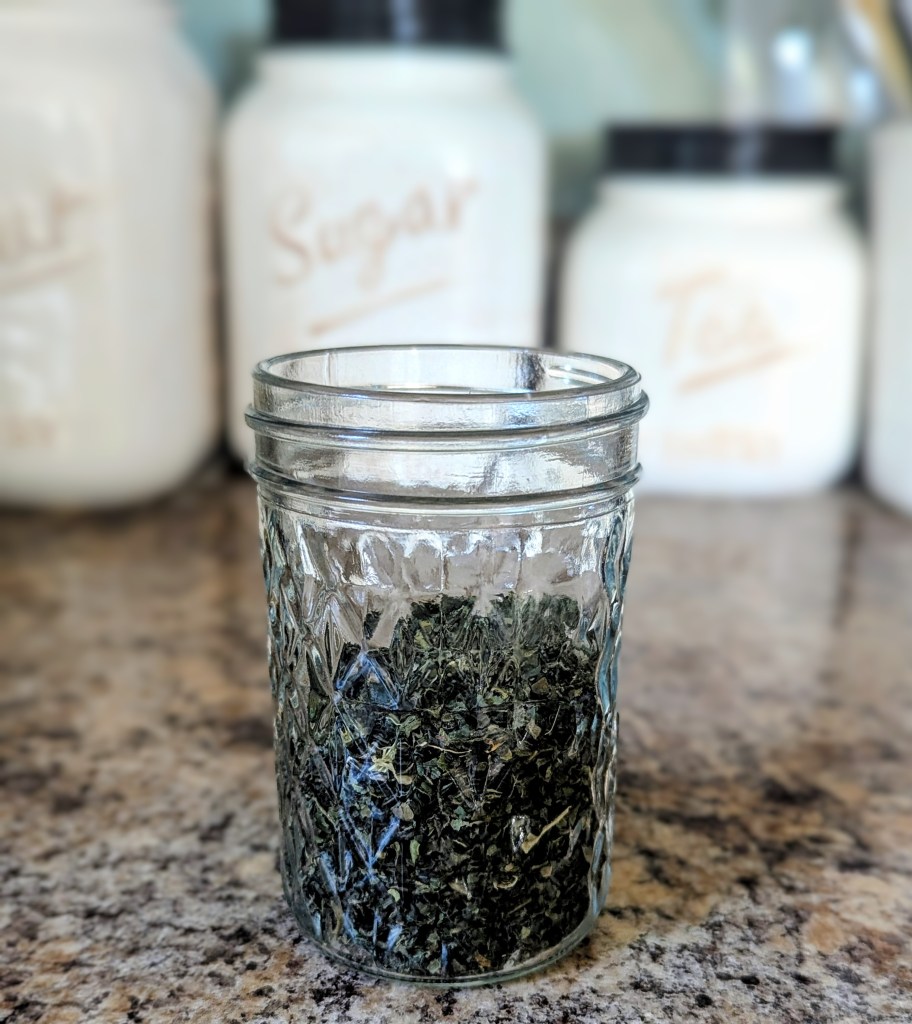
- Place dried nettle leaves in a clean glass jar.
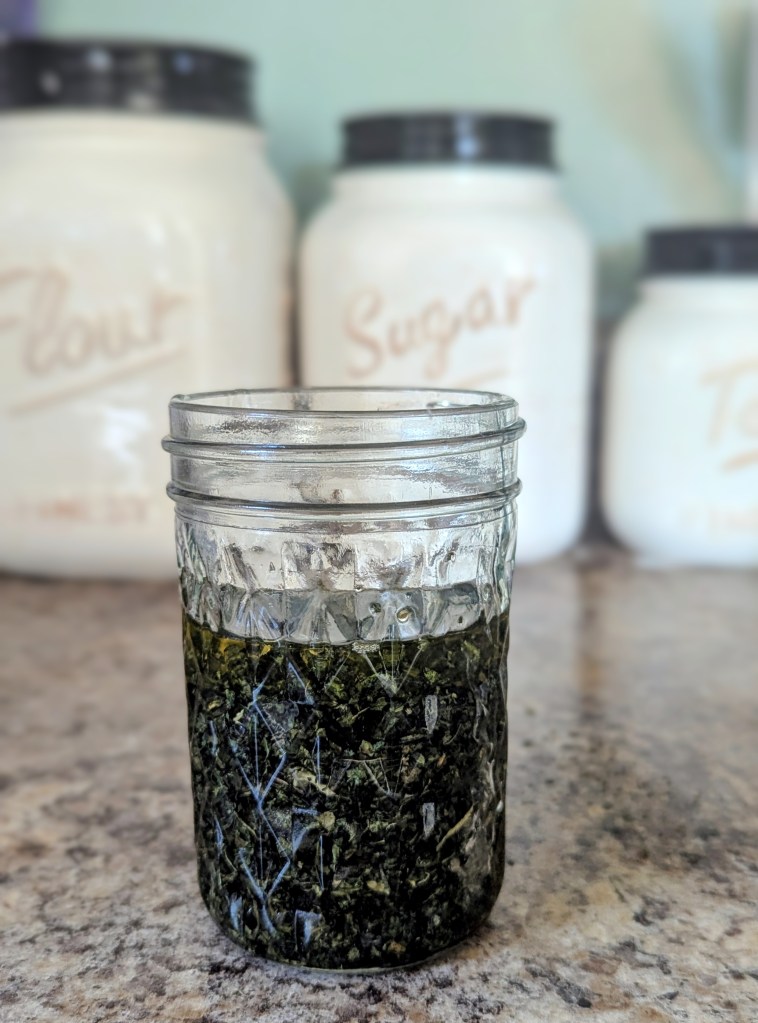
- Pour your carrier oil over the leaves until fully submerged.
- Seal the jar tightly and place it in a sunny window.
- Let the jar sit for 2–4 weeks, gently shaking it once a day to help release the plant nutrients.
- After the infusion period, strain the oil through cheesecloth into a dark glass bottle for storage.
Tip: The longer you infuse, the stronger the oil will be.
Method 2: Crockpot Infusion (Hands-Off)
- Place dried nettle leaves and carrier oil in a clean glass mason jar, filling it about halfway.
- Place the mason jar in the crockpot, using a small trivet or folded towel at the bottom so the jar sits above the base.
- Add enough water to the crockpot to come about halfway up the sides of the jar — do not let water get into the jar.
- Set the crockpot to the lowest heat or “keep warm” setting.
- Let the jar warm for 4–6 hours, gently swirling the oil occasionally if possible.
- Carefully remove the jar, strain the oil through cheesecloth, and transfer to a dark glass bottle for storage.
Tip: Ensure the water stays warm but does not boil, so the infusion extracts nutrients gently and safely.
Method 3: Stovetop Infusion (Quick)
- Place dried nettle leaves and carrier oil in a clean glass mason jar.
2. Set a metal trivet in a small saucepan or pot and place the jar on top, keeping it above the bottom of the pot.
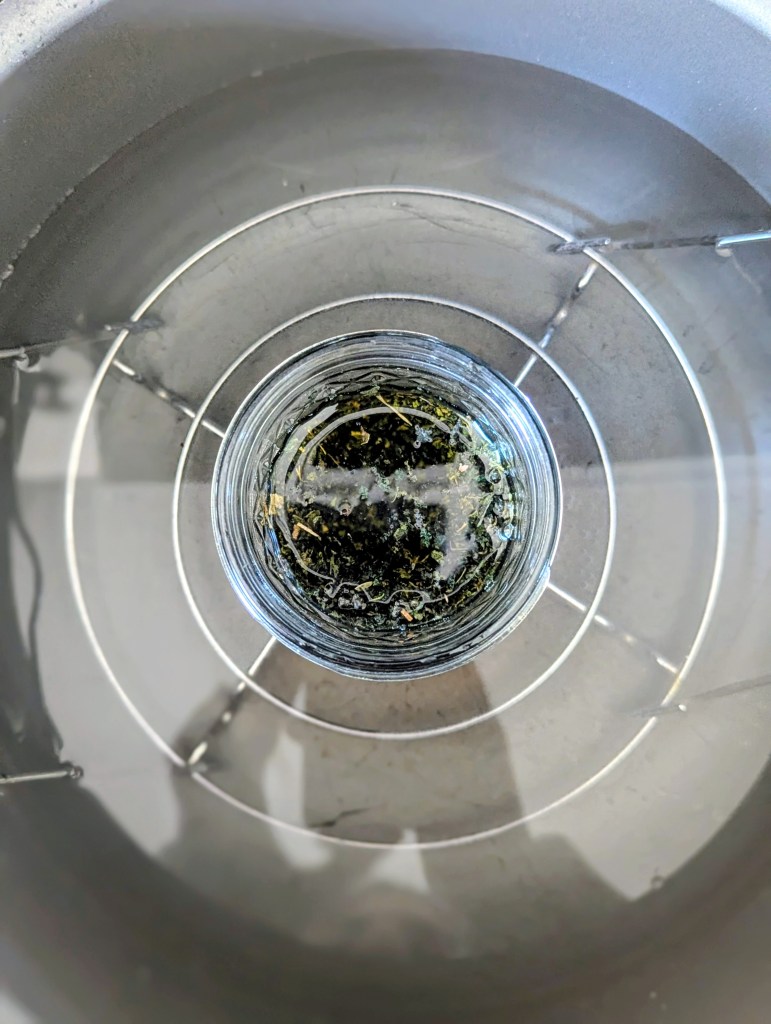
3. Fill the pot with water until it comes about halfway up the sides of the jar — avoid getting water into the jar.
4. Heat on very low heat for 2–3 hours, gently swirling the jar occasionally.
5. Do not let the oil boil or smoke; the goal is a gentle, warm infusion that extracts the plant nutrients.
6. Carefully remove the jar, strain the oil through cheesecloth or a fine mesh strainer, and transfer to a dark glass bottle for storage.
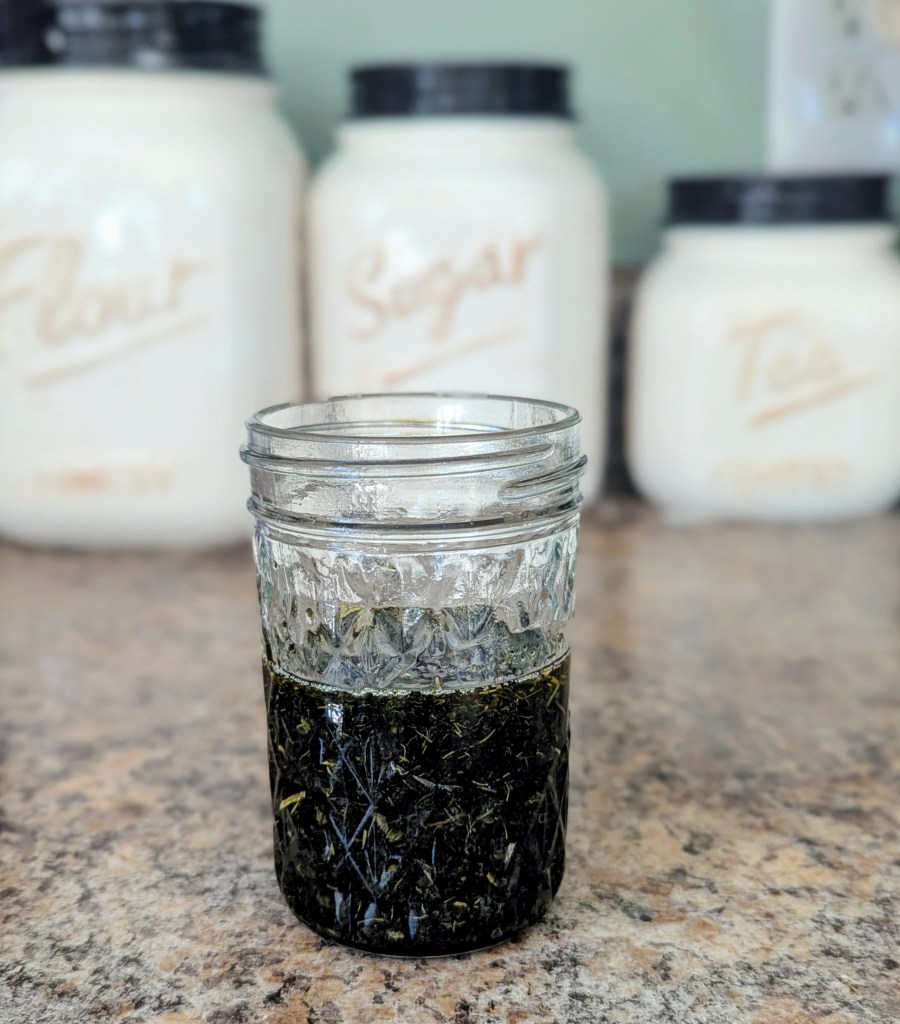
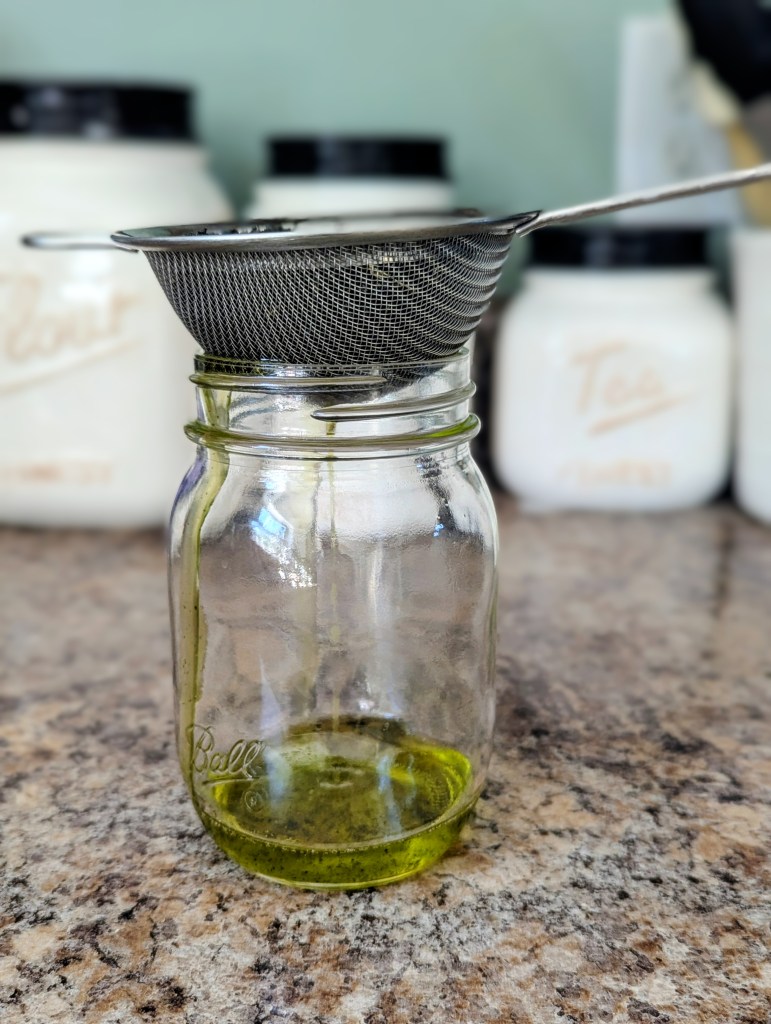
Tip: If using fresh nettle, reduce the oil slightly and dry the leaves first to avoid water in the oil.
Storage & Shelf Life
- Store nettle oil in a cool, dark place.
- It can last 6–12 months depending on the carrier oil used.
- Always check for any off smell before use; discard if it smells rancid.
What Is Nettle Oil Good For?
While promoting hair health is one of its most popular uses, this versatile herbal oil offers a variety of benefits for overall skin and wellness. Here are some of the ways nettle oil can be used beyond promoting hair growth:
1. Skin Nourishment
Nettle oil is rich in vitamins A and C, making it excellent for moisturizing and revitalizing the skin. It can help soothe dryness, redness, and irritation, leaving the skin soft and nourished.
2. Anti-Inflammatory Support
The natural compounds in nettle oil have anti-inflammatory properties, making it useful for calming irritated or inflamed areas on the skin, including minor rashes or eczema-prone spots.
3. Scalp and Skin Massage
Used as a massage oil, nettle oil can stimulate circulation and help relieve tension. Its gentle warmth when massaged into the skin can promote relaxation and healthy blood flow.
4. Joint and Muscle Relief
Some herbalists use nettle oil topically to ease sore muscles or stiff joints, thanks to its soothing properties and anti-inflammatory effects.
5. DIY Skincare and Beauty Recipes
Nettle oil can be incorporated into homemade:
- Facial serums
- Body oils
- Hand creams
- Lip balms
Its nutrient-rich profile makes it a versatile base for many natural beauty and self-care products. Plus, it’s very budget-friendly and can easily take the place of expensive beauty products that may contain harmful ingredients.
FAQs
1. Can I use fresh nettle instead of dried?
Yes, but it’s important to dry fresh nettle leaves first. Fresh leaves contain water, which can cause the oil to spoil or become moldy during infusion. Using dried leaves ensures a stable, long-lasting oil.
2. Which carrier oil is best for hair growth?
Any nourishing carrier oil works, but some of the most popular options are:
- Jojoba oil: Closely mimics the scalp’s natural oils.
- Coconut oil: Deeply moisturizing and strengthens hair strands.
- Olive oil: Rich in antioxidants and vitamins for overall scalp health.
- Castor oil: Castor oil nourishes the scalp with fatty acids and vitamin E, helping to strengthen hair follicles, boost circulation, and promote thicker, healthier hair growth.
You can also mix carrier oils to get the benefits of several types at once.
3. How often should I use nettle oil?
For best results, use 2–3 times per week as a scalp massage oil or hot oil treatment. If adding to a DIY hair serum, a few drops daily can help maintain healthy hair growth. After applying the nettle oil to your scalp and hair ends, leave it in for at least one hour or overnight for best results.
4. How long does homemade nettle oil last?
Stored in a cool, dark place, your homemade nettle oil can last 6–12 months. Always check for rancid smells before using; discard if it smells off.
5. Can I use nettle oil on all hair types?
Yes! Nettle oil is gentle and suitable for all hair types — straight, wavy, curly, or coily. Adjust the amount based on your hair’s thickness and oiliness. Be sure to wash your hair thoroughly after doing a nettle oil treatment to avoid an oily look.
6. Where can I buy nettle oil?
If you don’t want to make your own, nettle oil is available online or at health food stores. Look for:
- Organic, cold-pressed carrier oils infused with nettle
- Products labeled for hair or scalp use
- Trusted brands with good reviews
We trust this stinging nettle multi-purpose oil.
Final thoughts
Nettle oil is a simple yet powerful DIY remedy that can transform your natural hair and skin care routine. Whether you make it through the slow solar method, a crockpot infusion, or the quick stovetop technique, this nourishing oil is packed with vitamins and minerals that support stronger roots, healthier strands, and long-term growth. Beyond hair care, nettle oil has versatile uses for skin and overall wellness, making it a wonderful staple to keep on hand.
Try making your own batch, and you’ll not only save money but also enjoy the satisfaction of crafting a herbal remedy that truly benefits your hair from root to tip! Let me know in the comments how you plan to use your stinging nettle oil infusion!