This post contains affiliate links. Please read our disclosure policy.
Wondering “What is einkorn flour?” and if it’s right for your family? Here we’ll talk about exactly what einkorn flour is, how it’s different from modern wheat, and how it can benefit your health!
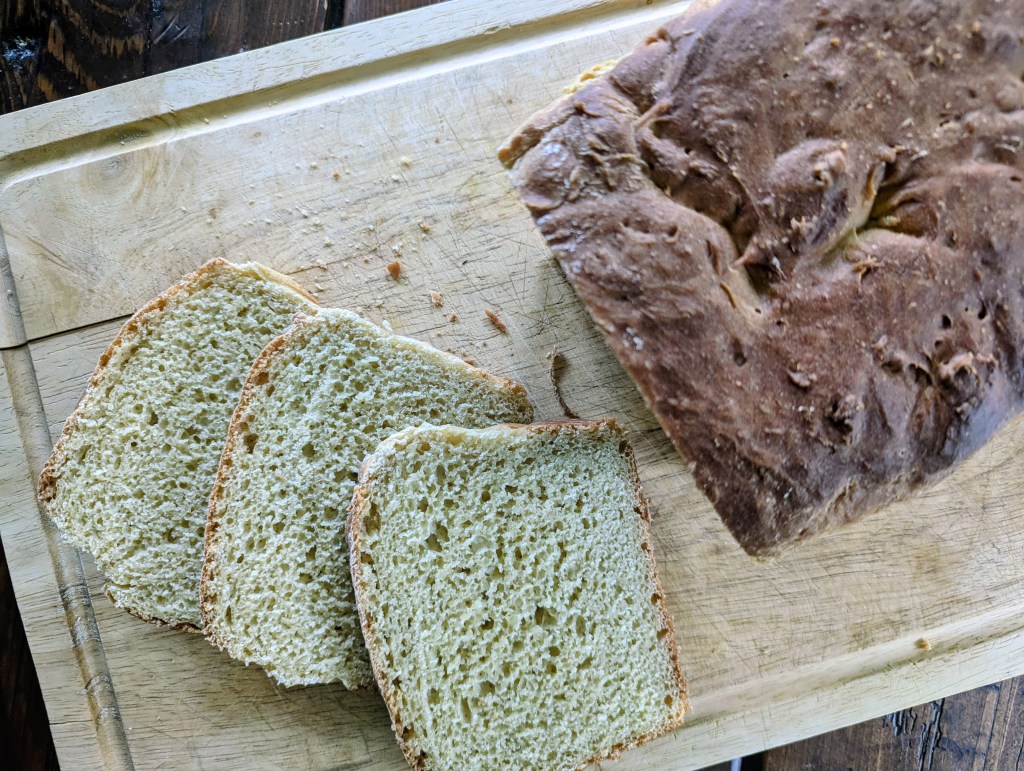
Ya’ll know I’m a sourdough girl, but when my breastfed son was diagnosed with a true wheat allergy, all of that came to a screeching halt.
I had einkorn flour in the back of my mind, but his eczema was so severe, I knew I needed to let his symptoms simmer down before I tried anything new.
I made gluten-free baked goods for a while, and it was fine. But deep down, I knew it wasn’t as nutritious as I wanted it to be, especially for my son who desperately needed healing.
The homeopath helping us with his eczema recommended waiting 8 weeks before introducing einkorn. “Mark it on your calendar so you don’t forget!” she said.
I giggled.
I’d been eating rice flour and potato starch bread for a month. There was no way I was going to forget when I could try einkorn.
The funny thing is, I knew about einkorn before all of this, but most people don’t (maybe this is your first time looking into it? Welcome!) The first question I get when I mention that something is made with einkorn is “What is einkorn flour?”
I start into my usual spiel about non-hybridized ancient grains that are easier to digest, and people start to back away slowly as if I’ve finally gone too far.
But if you’re here asking, “What is einkorn flour?” I can go as deep as I want.
Because maybe you’ve figured out that it’s not ok for everyone to be gluten intolerant when bread used to be the lifeblood of society.
Maybe you, like my son, are looking for healing.
Welcome, my friend.
Allow me to explain exactly what einkorn flour is.
Table of Contents
What Is Einkorn Flour?
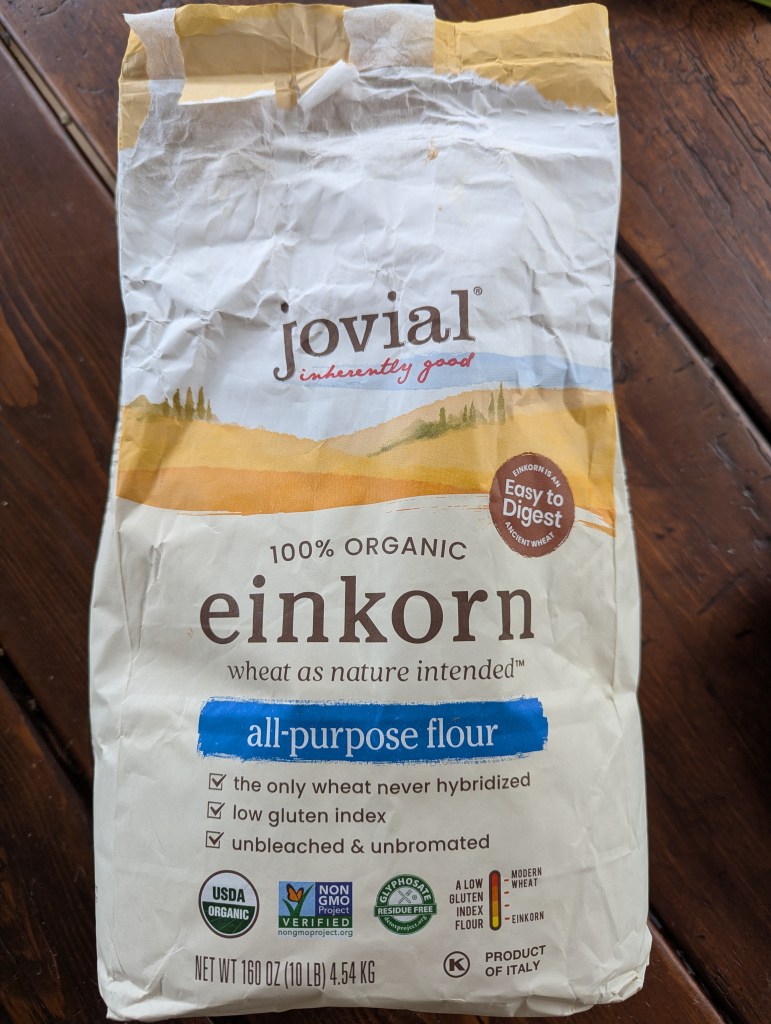
Einkorn flour is one of the oldest forms of wheat ever used for baking, dating back thousands of years to early agriculture in the Fertile Crescent. It was widely grown in ancient times but was gradually replaced during the Bronze Age as farmers began cultivating higher-yield grains that were easier to harvest and process (AKA, more lucrative, but with a greater cost to your health).
Unlike modern wheat, einkorn was never heavily hybridized or altered. While newer wheat varieties were developed for size, uniformity, and baking performance, einkorn remained largely unchanged. Because of this, it’s often considered a more “ancient” or traditional grain.
Many people are drawn to einkorn because it retains properties lost in modern wheat, both in flavor and structure. It has a slightly sweet, nutty taste and a naturally golden color that’s perfect for everything from desserts to sourdough breads and sandwich loaves.
While it still contains gluten, einkorn’s gluten structure differs from that of modern wheat, which is why it behaves differently in baking and is often easier for people to digest (though it is not gluten-free).
Does Einkorn Flour Contain Gluten?

Yes, einkorn flour does contain gluten, but it’s not the same as the gluten you are used to in modern wheat (look at the picture above for a comparison).
Einkorn has a simpler and weaker gluten structure, which means it behaves very differently in baking. It doesn’t create the same strong, elastic dough you might be used to, which is why einkorn recipes tend to be softer, stickier, and more delicate.
Because einkorn was never heavily hybridized for large-scale production, its gluten hasn’t been altered in the same way as modern wheat. Instead of being bred for strength and stretch (to withstand commercial baking processes), einkorn’s gluten remains more fragile and less elastic.
Many people find einkorn easier to digest compared to modern wheat. While everyone is different, some feel that their bodies tolerate it better, possibly because of its simpler structure and the way it’s processed more naturally by the body.
That being said, einkorn is not gluten-free, so keep that in mind if you have celiac disease or a true wheat allergy.
I’ve found that my son can tolerate einkorn flour in light of his wheat allergy, but everyone is different, so tread carefully!
Einkorn Flour vs All-Purpose Flour
Einkorn flour and all-purpose flour look similar, but it’s not a 1:1 swap as they behave very differently in baking. Understanding these differences will help you get much better results when working with einkorn.
A few things to consider are:
Texture Differences

Einkorn creates a softer, more tender texture compared to all-purpose flour. Baked goods tend to be slightly softer and more delicate, even when baking sandwich breads and artisan loaves.
All-purpose flour, on the other hand, produces a more structured and chewy texture. It’s better at holding shape, which is why it’s commonly used for traditional breads and baked goods that need stability.
Hydration Differences
One of the biggest differences between einkorn and all purpose is how each flour handles liquid.
Einkorn absorbs liquid more slowly and can become overly wet or sticky if too much liquid is added too quickly. Even if a batter looks thin at first, it often thickens as it rests. When baking with einkorn, it’s often best to start with slightly less liquid and adjust as needed.
All-purpose flour absorbs liquid more predictably and can handle higher mixing and hydration without breaking down as easily.
Gluten Strength
Einkorn contains gluten, but it has a much weaker and more fragile structure than modern wheat.
This means einkorn dough:
- Doesn’t stretch as much
- Tears more easily
- Doesn’t hold structure the same way
All-purpose flour has stronger, more elastic gluten, which allows for kneading, shaping, and higher-rising breads.
Einkorn flour doesn’t require kneading like all-purpose flours and can deflate or collapse if you overwork it.
Types of Einkorn Flour
Not all einkorn flour is the same. I typically go for all-purpose, but the type you use can affect both texture and how your recipe turns out.
Whole Grain Einkorn
Whole-grain einkorn includes the entire grain: the bran, germ, and endosperm. It has a richer flavor and more nutrients, as well as a slightly coarser texture.
It tends to absorb a bit more liquid than sifted einkorn and can produce denser baked goods if not balanced properly.
Best for:
- Hearty breads
- Muffins
- Rustic baked goods
All-Purpose Einkorn (Lighter, Sifted)
All-purpose einkorn (sometimes labeled as “sifted”) has had some of the bran removed, resulting in a lighter texture and milder flavor.
It behaves more like traditional flour than whole grain einkorn, though it still requires adjustments.
Best for:
- Cakes
- Cookies
- Lighter muffins
- Recipes where you want a softer texture
FAQ: Einkorn Flour Basics
Can I substitute einkorn flour 1:1 for all-purpose flour?
Sometimes, but not always. Einkorn behaves differently, especially with liquid and gluten development. You may need to reduce the liquid slightly and avoid overmixing. For yeast breads, don’t knead the dough; mix until everything is fully hydrated. For quick breads and muffins, let the batter rest for 10-15 minutes before baking.
Why is my einkorn dough so sticky?
Einkorn naturally creates a softer, stickier dough due to its weaker gluten and different hydration properties. Letting the dough rest and avoiding too much liquid can help.
Does einkorn flour rise the same as regular flour?
Not exactly. Because its gluten is weaker, einkorn doesn’t rise as high or hold structure as well as modern wheat. While it’s different than what you’re used to with modern wheat, you can still make delicious sandwich breads and artisan loaves!
Is whole grain einkorn healthier than all-purpose einkorn?
Whole grain einkorn contains more of the original grain, including bran and germ, so it retains more nutrients. However, both types can be part of a wholesome, nutritious diet.
Einkorn is Waiting for you
Whether you are looking for a way around a gluten sensitivity or just wondering, “What is einkorn flour?” I hope I’ve given you everything you need to feel comfortable and confident trying einkorn. With a few modifications, einkorn can be swapped with flour in all of your favorite recipes, which will be my mission moving forward. Check back here for our latest einkorn recipes and tips!